Navigating Tourist Traps
A tourist trap is characterized not just by high cost, but by a severe drop in the quality of experience relative to its fame. The solution is substitution. For every overcrowded mega-site, there is an equally impressive, critically overlooked alternative.
Ostia Antica vs. Pompeii
Pompeii is a bucket-list titan. Consequently, it is baking hot, packed with massive tour groups, and heavily restricted in what buildings you can actually enter.
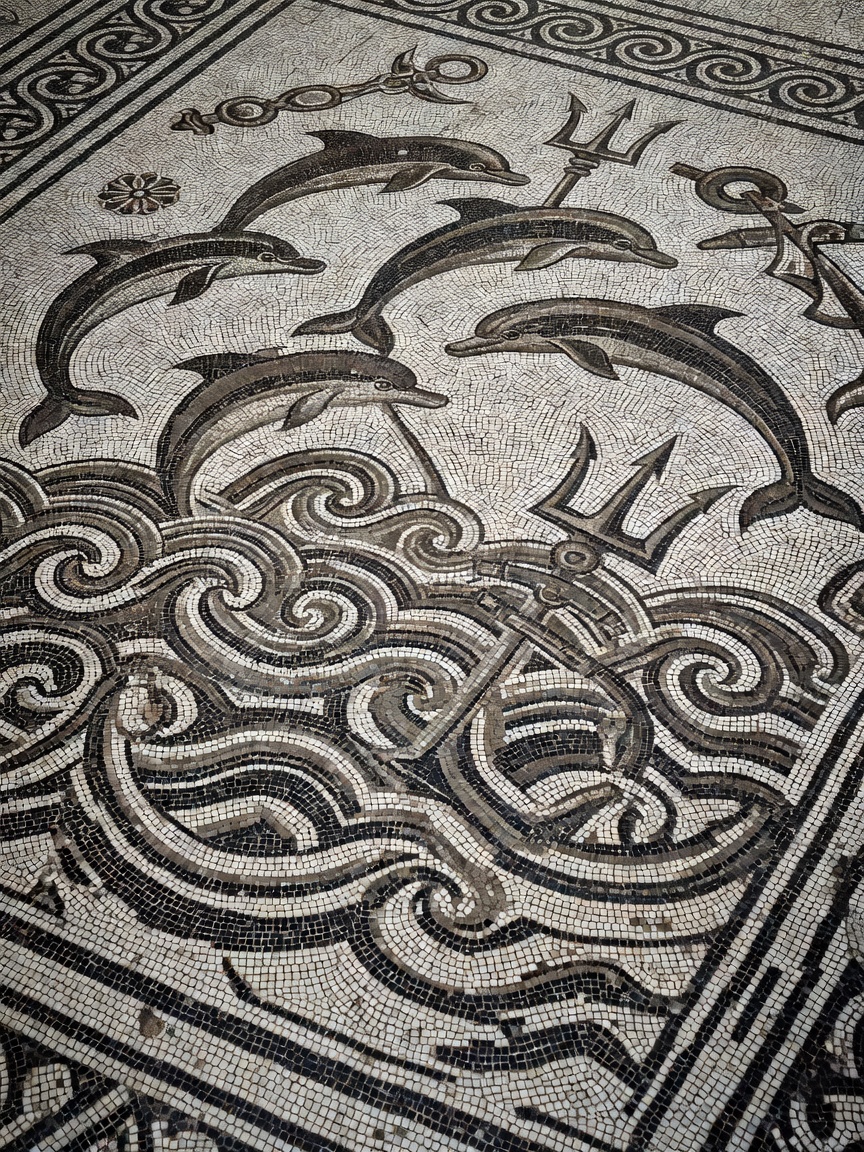
Just outside Rome, Ostia Antica offers a remarkably similar experience—an entire ancient port city preserved in time. You can walk through multi-story ancient apartment blocks, examine intact floor mosaics without a queue, and enjoy the shade of umbrella pines in relative silence.
Choquequirao vs. Machu Picchu
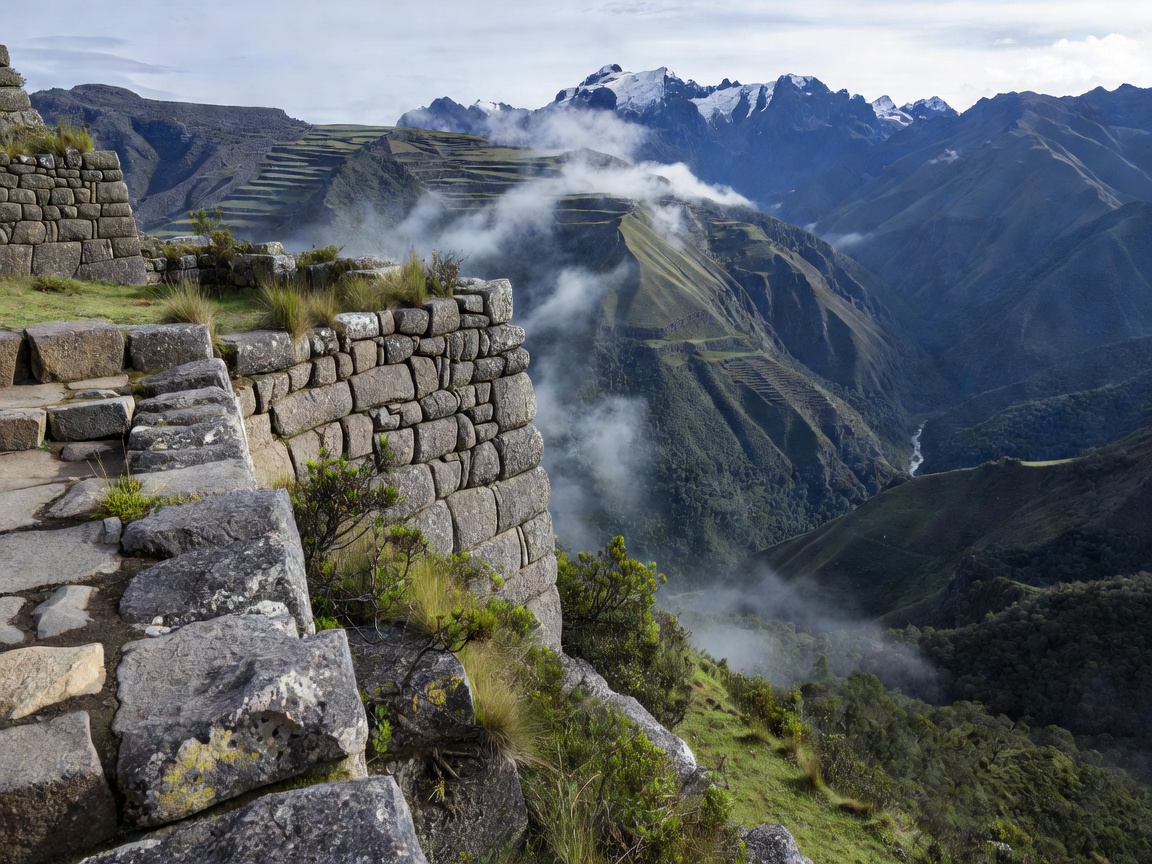
While Machu Picchu restricts you to a guided one-way path for two hours, Choquequirao—often called the "sister city"—remains wildly unrestricted. Getting there requires a grueling two-day trek, meaning it sees fewer visitors in a year than Machu Picchu sees in a morning.
The payoff is unfiltered access to massive Incan terraces and ceremonial plazas shrouded in cloud forest.
The Great Wall Audit
Badaling is heavily restored, easily accessible, and frequently shoulder-to-shoulder. Mutianyu is a step up. But for a genuine encounter with Ming Dynasty engineering, the wild, unrestored sections like Jiankou offer rugged, untouched stonework, challenging hikes, and profound silence.